Choosing and booking a fado night
Fado show in Lisbon: which one to book
A 50-minute show with a drink, a dinner fado house or an amateur tavern night: how they differ, what the Sé and Baixa venues are, and how to book.
Check dates and availability ↗Quick answer
For a first fado in Lisbon, a short seated concert is the lowest-risk choice. You get live professional singers, a glass of Port wine or Moscatel and spoken explanations in English in about 50 minutes, with no dinner to sit through. Pick the Sé venue for the old-stone setting or Baixa for a tavern-style room in the centre. If you want a whole evening, choose a dinner fado house. Amateur tavern fado cannot be booked.
Three ways to hear fado in Lisbon
| 50-minute show | Dinner fado house | Fado vadio | |
|---|---|---|---|
| Format | Seated concert, explained | Singing around a dinner | Amateurs, improvised |
| Length | 50 minutes | Most of the evening | No fixed length |
| Meal | None, a drink included | Dinner is the ticket | No set arrangement |
| Scheduled? | Yes, by date and venue | Yes, evenings fill up | No, nothing promised |
| Best for | A first taste, one evening | A full night out | Luck and wandering |
Three shapes a fado night takes
UNESCO says fado is performed professionally on the concert circuit and in small fado houses, and by amateurs in community associations. For a visitor that boils down to three ways in. The first is a short, seated concert. The second is dinner at a casa de fado, which Visit Lisboa defines as a restaurant where fado is sung. The third is fado vadio, which it defines as improvised fado, mostly by amateurs and generally not for payment. The table compares them. The show sold for the Sé and Baixa venues is the first kind, and most of this guide is about choosing between it and the other two.
What the 50-minute show is
It is a live fado concert of 50 minutes, with professional singers, both male and female, accompanied by a Portuguese guitar and a classical guitar. Between songs the musicians explain how fado began in Lisbon, introduce the instruments and say what the songs mean. The explanations are given in English and Portuguese, so you can follow the stories without understanding the lyrics. A glass of Port wine, Moscatel or another drink is included. The booking does not include dinner, so plan your meal for before or after.
- Live fado by professional singers
- A glass of Port wine, Moscatel or another drink
- Spoken explanations of the history, the instruments and the songs
- No dinner: it is a concert, not a meal
Sé or Baixa: which venue?
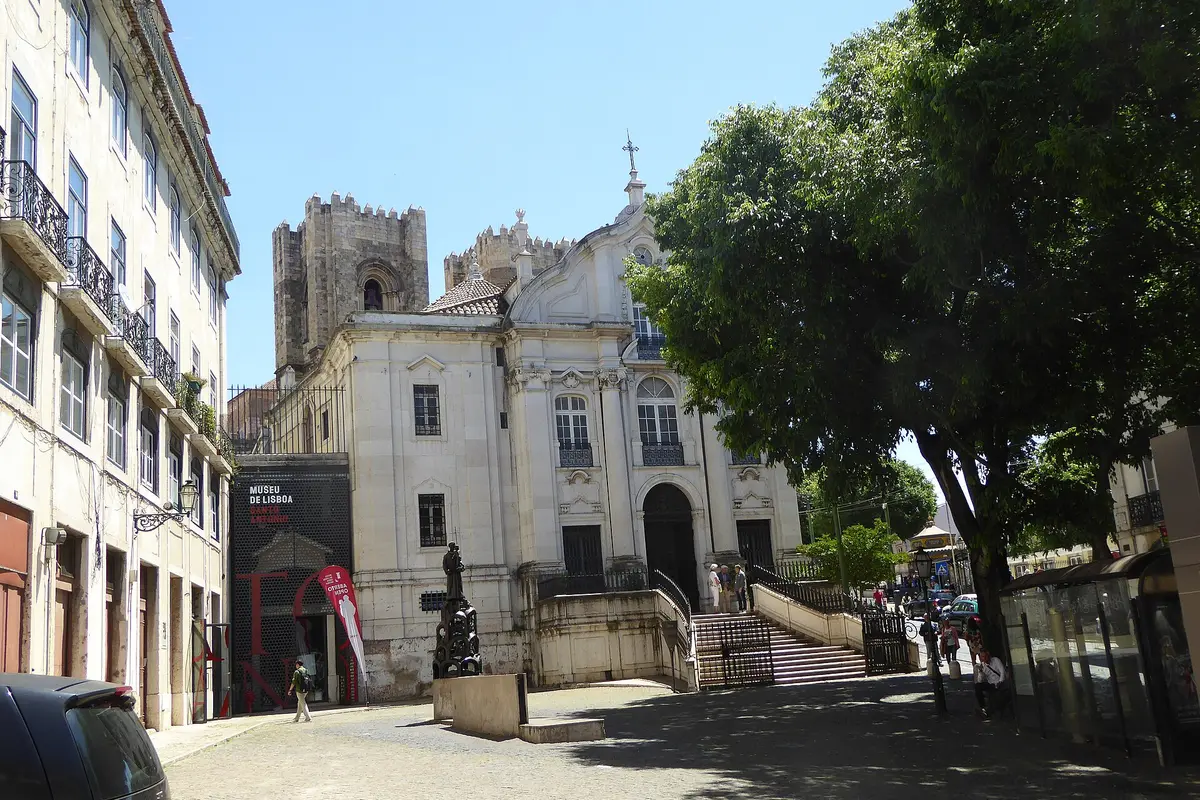
You choose a venue when you pick your date and time, and both stage the same fado. Sé is at Largo de Santo António da Sé 5, near the Lisbon Sé Cathedral. The venue's own pages say the room features the stone arches of the medieval city wall and an old sea gate. Baixa is an intimate room in downtown Lisbon, styled on a traditional tavern. Choose Sé for the old-stone setting and Baixa for a tavern feel in the centre. Access differs between the two, so read the practical guide before you decide.
Read next: Fado in Lisbon: etiquette and tips
Old Alfama or rebuilt Baixa
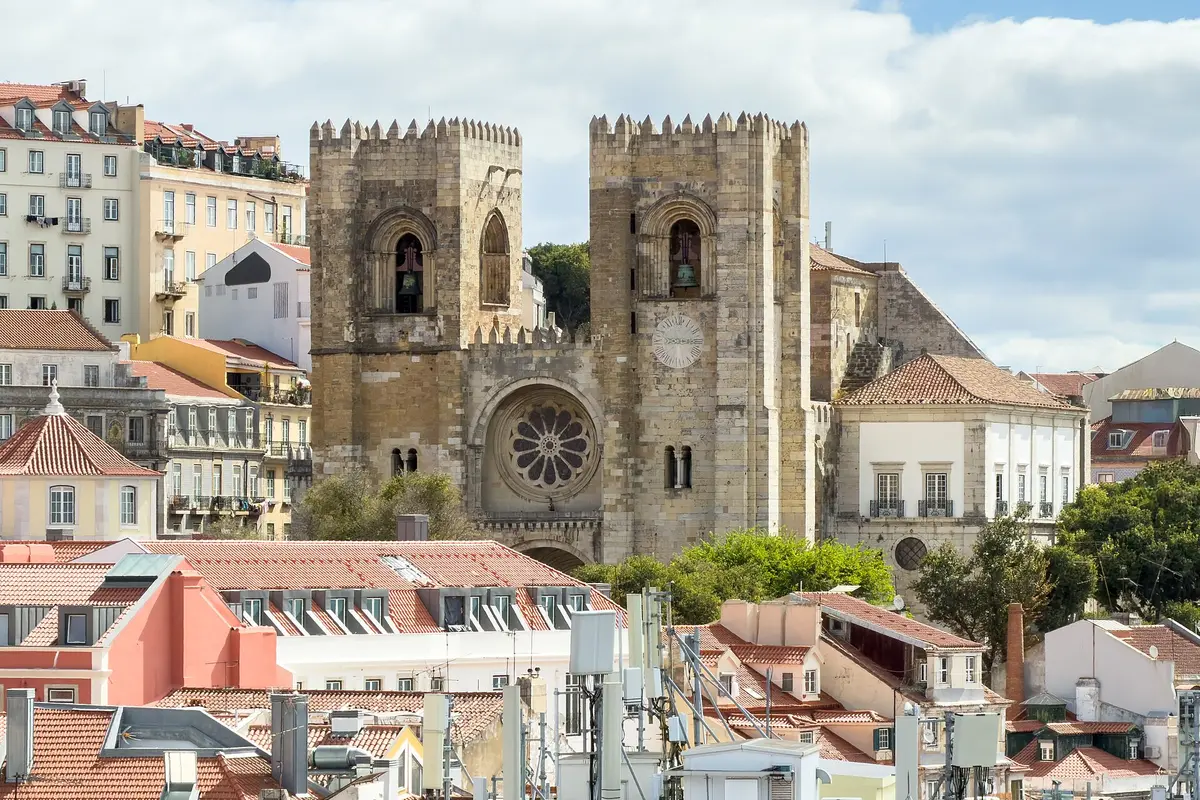
The venues sit in two different Lisbons. Lisbon Cathedral is the city's oldest church, built in the 12th century after the reconquest, and its fortress-like west front with two towers is an easy landmark to find the street by. Beside it lies Alfama, Lisbon's oldest neighbourhood, which kept its maze of narrow streets and small squares through the 1755 earthquake. Baixa was mostly rebuilt after that earthquake on a regular street grid, so the two areas feel quite different on foot. If you like old stone and slopes, Sé fits. If you prefer regular, straight streets, Baixa fits better.
The dinner fado house: the other main option
A dinner house sells an evening, not a ticket. Clube de Fado, in Alfama, says on its own website that there is no ticket because fado is part of dinner, and that evenings fill up in advance. Lonely Planet's Lisbon fado guide says the fee at such houses typically covers a fixed-menu dinner and the concert, that the meal is served in the breaks between songs, and that service stops while the singing lasts. You get a full evening and a real meal. You also commit to that kitchen, and the same guide warns that some once-respected venues have turned into tourist traps.
Fado vadio: lovely if you find it
Vadio is the unplanned end of fado. Visit Lisboa describes tasquinhas as small venues where spontaneous performances are inspired by the moment, and fado vadio as mostly amateur and generally unpaid. UNESCO also notes amateurs performing in community associations. None of that can be booked like a show, and whether anyone sings on a given night is never promised. If this is your only fado evening in Lisbon, book a scheduled show or a dinner house, and treat a vadio night, if you stumble on one, as a bonus.
Booking on GetYourGuide or the venue's site
The booking calendar shows the dates and venues available, and your confirmation shows the time, so check both before you plan the evening. Booked through GetYourGuide, you can cancel up to 24 hours before for a full refund, change the date or time up to 24 hours before, and reserve now and pay later. The venue's own website sells tickets under its terms, which describe website purchases as non-exchangeable and non-refundable, although they say the promoter refunds the ticket if a show is cancelled or changed. That difference in flexibility is the main practical reason to compare.
Add the Museu do Fado
If you want context first, the Museu do Fado is at Largo do Chafariz de Dentro 1 in Alfama. It calls itself an interactive museum to see, hear and feel fado, with a permanent exhibition, temporary exhibitions and a digital sound archive of historic recordings online. Visit Lisboa adds audioguides with dozens of fado songs. Visit Lisboa lists Santa Apolónia as the Metro and train station for the museum. Check the museum's website for its opening days before you go, because it closes on some public holidays.
Choosing in one line each
Use this to decide quickly. The short show suits a first fado when you have one evening, and it leaves your dinner plans free. A dinner house suits a long, slow night out where the meal matters as much as the music. A vadio tavern suits a traveller who is happy to wander and accept that nothing may happen. The museum suits anyone who wants to understand the songs before hearing them, and it pairs with any of the other three.
- First fado, one evening: the 50-minute show
- A full evening with dinner: a casa de fado
- Wandering and luck: a tavern with fado vadio
- Background first: the Museu do Fado
Who this isn't for
If you want to eat dinner while the singers perform, this is the wrong booking, because it includes a drink and no meal. If you want a long, late night of fado, a dinner house suits you better. Children under 6 are not suitable for the show, and the venue's own terms say children of 6 and younger are not allowed. Alcohol is not served to anyone under 18. And if you need step-free access, ask the venue before you book, because its terms say it is not suited to wheelchair users.
Frequently asked questions
How long is the Lisbon fado show, and is dinner included?
The show lasts 50 minutes, and dinner is not included. The booking covers live fado, a glass of Port wine, Moscatel or another drink, and spoken explanations of the history, the instruments and the songs. Eat before or after.
Which venue should I choose, Sé or Baixa?
Both stage the same fado, so choose by setting. Sé, near Lisbon Cathedral, has stone walls and old arches. Baixa is a tavern-style room in downtown Lisbon. Check access needs with the venue before you book.
Can I cancel or change my booking?
If you booked through GetYourGuide, you can cancel up to 24 hours before for a full refund and change the date or time up to 24 hours before. Tickets bought on the venue's own website are non-refundable and non-exchangeable under its terms.
Do I need to speak Portuguese?
No. The musicians explain the history of fado, the instruments and the meaning of the songs in English and Portuguese, so you can follow the stories without understanding the lyrics.
Is a dinner fado house better than the short show?
It depends on the evening you want. A dinner house gives you a full meal and a long night, with the meal served in the breaks between songs. The short show gives you the music and the explanations in 50 minutes and leaves dinner to you.
Can I book fado vadio?
No. Fado vadio is improvised, mostly amateur and generally unpaid, so there is no ticket and no promise that anyone will sing on a given night. Book a scheduled show or a dinner house if you want certainty.
Sources