What the night is like
Fado in Lisbon: etiquette and tips
What you hear, when to stay silent, how long it lasts, who can come and how to reach the Sé and Baixa venues, from the venue's own pages and Lisbon sources.
Check dates and availability ↗Quick answer
Stay silent while anyone sings. The cue is the lights dimming and the guitars starting. The Lisbon show lasts 50 minutes, with spoken explanations in English and Portuguese, and your booking confirmation shows the start time. Children under 6 are not suitable, and the venue's terms say 6 and younger are not allowed. Step-free access is limited, so ask the venue before booking. There is no stated dress code, but comfortable shoes help in Alfama.
What you hear in 50 minutes
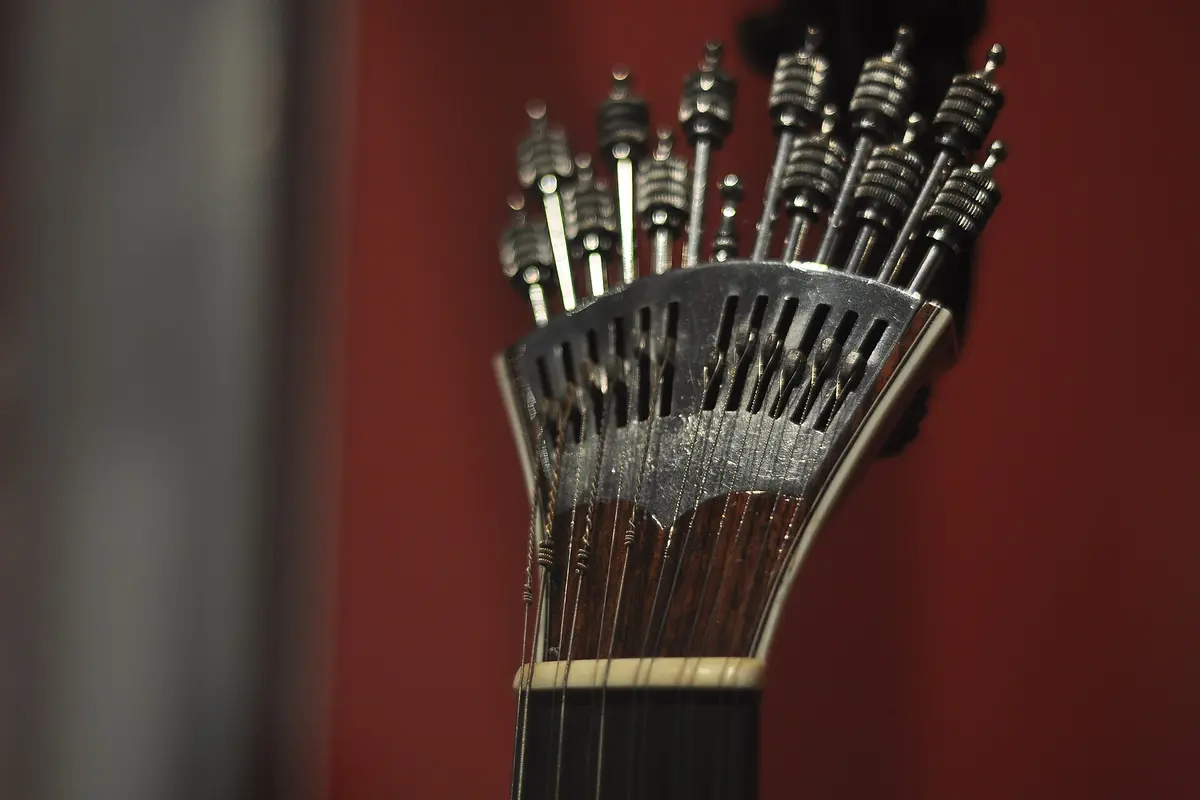
UNESCO describes fado as a performance genre of music and poetry, usually sung by a solo singer, male or female, with a wire-strung acoustic guitar and the Portuguese guitarra. At this show the singers are professionals, both men and women, accompanied by a Portuguese guitar and a classical guitar. Between songs the musicians talk through the history of fado, the instruments and what the songs mean, in English and Portuguese. UNESCO adds that fado is also sung in small fado houses and by amateurs in community associations, which is why a dinner house or a tavern gives a different evening. Expect a concert with commentary, not background music over a meal.
Listening for the Portuguese guitar
The guitarra portuguesa is the instrument to listen for. UNESCO calls it a pear-shaped cittern with twelve wire strings, unique to Portugal. Wikipedia adds that the strings come in six pairs, called courses, and that Lisbon and Coimbra guitars differ in size and tuning. The classical guitar, called the viola among fado musicians, plays the accompaniment beside it. The guitarra also has a solo repertoire of its own, which this concert may or may not include.
Read next: The Portuguese Guitarra & a Fado Night
The silence rule
Fado is a listening form. Lonely Planet's Lisbon fado guide describes audiences at a casa de fado or tasca held in a respectful silence, and says fadistas require quiet without asking for it. The cue is subtle: when the lights dim and the guitarists begin playing, it is time to be quiet. The same guide says service stops while the singing lasts. Apply the same rule to your phone and your neighbours. Put the phone away, and save conversation for the explanations between songs.
How long, and when to go
The show lasts 50 minutes, so it fits in the gap before or after dinner. Start times differ by date and venue. The booking calendar shows the options, and your confirmation shows the time you booked. Dinner fado houses run differently. Clube de Fado, in Alfama, says live fado is part of its dinner service and that it is open every day. If you want a late night, that format fits better. If you want to be done in under an hour, this one does. Either way, the first rule is the same: the music comes first, and the evening is built around it.
Getting to the Sé venue
The Sé venue is at Largo de Santo António da Sé 5, near the Lisbon Sé Cathedral. This is Alfama, Lisbon's oldest quarter, on the slope between São Jorge Castle and the Tagus, and its maze of narrow streets and small squares survived the 1755 earthquake. Alfama was once the whole city, and Lisbon later spread west into the Baixa district, where the second venue sits. Allow extra time to walk, wear shoes that grip on slopes, and use a map app for the live route on the day, because the lanes are narrow and do not follow a grid.
Read next: Fado show in Lisbon: which one to book
Getting to the Baixa venue
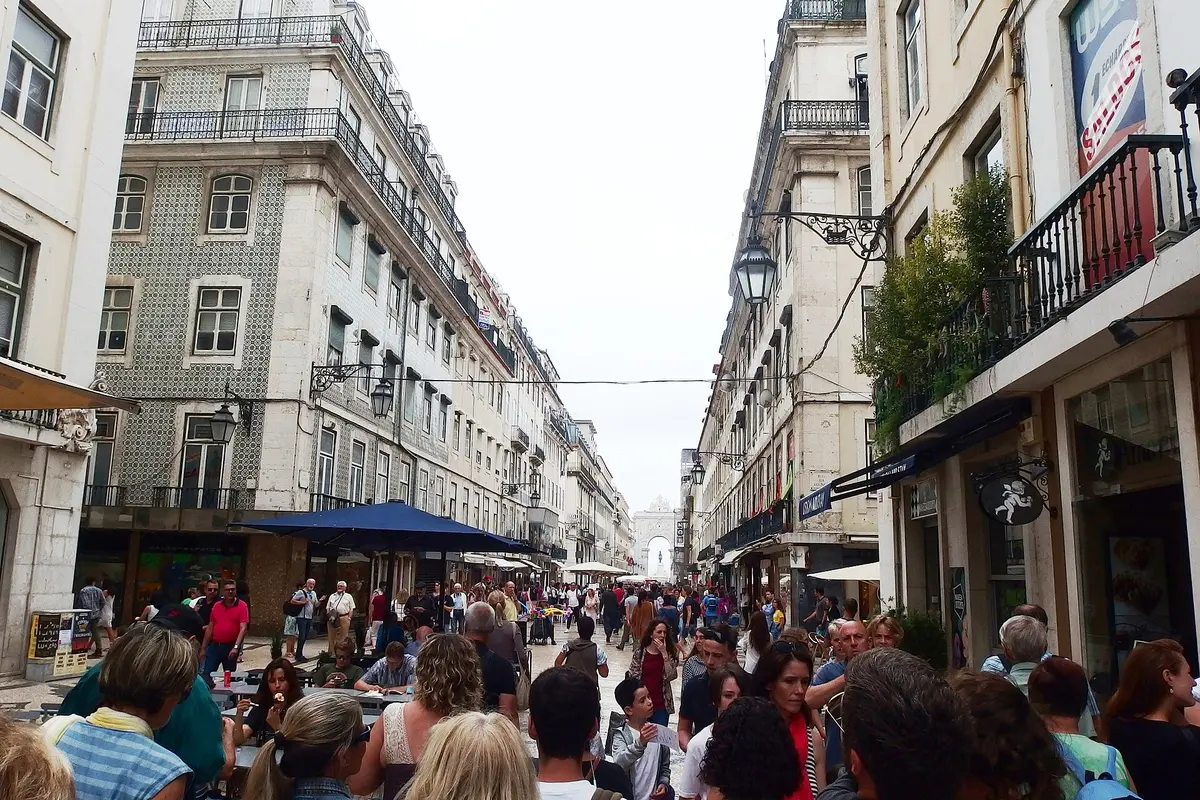
Baixa means downtown, and the venue's pages place this room in downtown Lisbon without giving a street address, so your booking confirmation is the place to find the meeting point for your option. The district was mostly rebuilt after the 1755 earthquake on a regular street grid, a very different layout from Alfama's maze, which makes it easier to read on a map. Lisbon Metro asks for a valid electronic card or a contactless bank card, so sort that out before you reach the barrier. Hotel reception can also tell you the simplest way there from where you are staying, which is worth asking on the day if the weather or your legs say otherwise.
Children, age and drinks
Children under 6 are not suitable for the show, and the venue's terms state that children of 6 and younger are not allowed, so a six-year-old may be refused at the door. Alcohol is not sold or served to anyone under 18, or to anyone visibly intoxicated, under the same terms. The included drink can be Port wine or Moscatel, and the venue's ticket page also lists juice or water.
- Under 6: not suitable for the show
- 6 and younger: not admitted under the venue's terms
- Under 18: no alcohol is served
Access and mobility
Step-free access is limited, and it differs by location. The venue's terms say it is not suited to wheelchair users, so contact the venue through the form on its website before you book and describe what you need. Alfama is a hillside quarter of narrow streets, which adds to the challenge on foot, so also ask about the route from the nearest place a taxi or car can stop. If you use a mobility aid, a stroller or a walking frame, tell the venue the type when you write, because the answer may differ between the Sé and Baixa rooms.
What to wear and bring
Neither the venue's pages nor the booking state a dress code, so there is no rule to follow, and neat everyday clothes are a safe choice. Lonely Planet describes fado venues as dimly lit, so keep bags small. Bring your booking confirmation, since it shows the time and the meeting point, and leave time to find the entrance on your first visit. In Alfama, comfortable shoes matter more than smart ones.
- Your booking confirmation, with the time and meeting point
- A small bag
- Comfortable shoes for slopes
Before or after the show
You do not need a ticket for the surroundings. Lisbon Cathedral has a Romanesque west front with a rose window, a Gothic ambulatory and a Gothic cloister where Roman, Visigothic and medieval remains have been excavated. The Museu do Fado, at Largo do Chafariz de Dentro 1, calls itself an interactive museum to see, hear and feel fado, and its audioguides play dozens of songs. For dinner, a fado house is a separate booking, so choose a table that does not overlap with your show.
Who this isn't for
If you want a long, late night of fado with dinner, book a dinner house instead. If you cannot stay quiet while someone sings, fado is the wrong evening, because the silence is the whole format. If you are travelling with a child aged 6 or under, the venue's terms say they will not be admitted. If you need wheelchair access, check with the venue first, because its terms say it is not suited to wheelchair users.
Frequently asked questions
Do I have to stay silent during fado?
Yes, while someone sings. Lonely Planet describes the audience at a fado venue as respectfully silent and says the cue is the lights dimming and the guitarists starting to play. Talk during the commentary between songs, and keep your phone away.
How long does the show last, and in what language?
It lasts 50 minutes. The musicians explain the history, the instruments and the songs in English and Portuguese, and the booking calendar shows the start time for each date and venue.
Can children come?
Children under 6 are not suitable, and the venue's terms say children of 6 and younger are not allowed, so age 7 and over is safe under both. Alcohol is not served to anyone under 18.
Is the show wheelchair accessible?
Not reliably. Access differs by location, and the venue's terms say it is not suited to wheelchair users. Contact the venue before booking and ask about your needs at the Sé or Baixa room.
What should I wear to a fado show?
Neither the venue nor the booking states a dress code, so wear what you would for any evening out. Choose comfortable shoes for Alfama's slopes.
Can I change the time of my booking?
If you booked through GetYourGuide, you can change the date or time up to 24 hours before the start. Tickets bought on the venue's own website are non-exchangeable under its terms.
Sources